_edi.png)

Outbound sales isn’t about volume anymore. Teams that rely on mass emails or tool overload usually end up with noisy dashboards and thin pipelines.
What actually works is a tighter setup: tools that help reps find the right accounts, follow up without dropping the ball, and keep deals moving without drowning in admin. As buying teams grow more technical and sales cycles stretch, outbound software has shifted from “nice to have” to infrastructure.
This guide walks through outbound sales tools by role and use case. Not to sell software but to help you understand which tools support your motion today, which ones you can skip, and how to build a stack that your team will actually use.
Core Takeaways:
- Outbound sales works best when tools reduce friction, helping reps target the right accounts, follow up consistently, and keep deals moving without admin overload.
- Each outbound tool serves a specific stage, from prospecting and segmentation to outreach, scheduling, and execution, results improve when tools match real workflow needs.
- More tools don’t mean better performance; simple, well-integrated stacks outperform bloated setups that slow adoption and dilute rep focus.
- Automation drives consistency, not relevance, as message quality, timing, and deal progression still depend on skilled sales execution.
- Top-performing teams pair software with experienced sellers, using outbound-ready professionals to maximise tool value and shorten ramp time.
What Are Outbound Sales?
Outbound sales involve proactively reaching out to potential customers to start conversations and generate demand. Instead of waiting for interest, sales teams identify target accounts and initiate contact through methods like cold email, calls, and targeted outreach.
This approach is often used when selling to specific roles, accounts, or industries where buying intent isn’t immediately visible.
Inbound sales work differently. Prospects discover your product on their own through content, referrals, or search, then enter the sales process once interest is established. Both models serve different goals, and many teams use a combination of the two depending on deal size, market maturity, and growth stage.
What Are Outbound Sales Tools?
Outbound sales tools are software platforms built to support prospecting, outreach, follow-ups, and performance tracking. They help sales teams actively reach the right prospects, manage conversations at scale, and reduce manual work that slows execution.
For software businesses, these tools turn outbound from a manual effort into a repeatable, measurable process, making it easier to generate pipeline and revenue consistently.
Some of the key benefits included:
1.Better Personalization at Scale
Effective outbound depends on relevance. Outbound sales tools use prospect data and engagement signals to help teams tailor messages to specific roles, industries, and buying contexts. This makes outreach more contextual and improves response rates without writing every message from scratch.
2.Smarter Segmentation That Supports Targeted Messaging
These tools allow teams to segment prospects using firmographic and behavioral data. As a result, outreach and content can be aligned to what different segments actually care about, rather than sending one-size-fits-all messaging.
3.Shorter Sales Cycles With Less Admin Work
Automation removes friction from repetitive tasks like follow-ups, scheduling, and activity logging. This keeps deals moving while freeing reps to focus on conversations, discovery, and closing, where value is actually created.
4.More Predictable Revenue Tracking
Outbound sales tools surface clear performance metrics such as conversion rates, pipeline movement, and engagement trends. This visibility helps teams understand what’s working, forecast revenue more accurately, and adjust strategy before results stall.
Also read: Steps to Approach Sales Pipeline Analysis
Things to Consider When Selecting Outbound Sales Tools
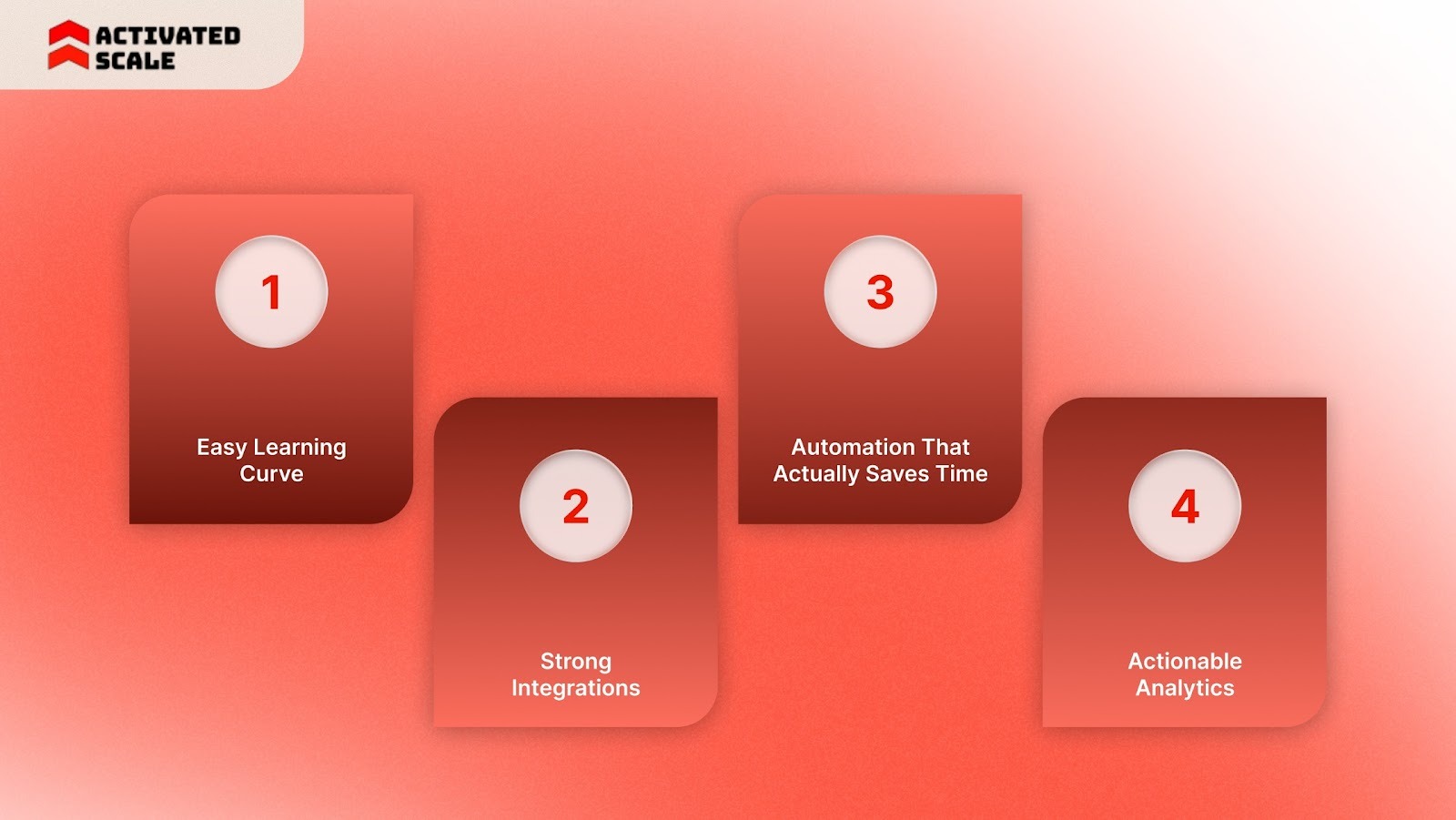
Choosing the right outbound sales software isn’t about feature volume. It’s about how quickly your team can use the tool and whether it improves execution without adding friction.
Easy Learning Curve
Outbound tools should be intuitive enough for reps to start using them with minimal training. A steep learning curve slows adoption, disrupts workflows, and reduces ROI. Tools with simple interfaces and clear workflows are easier to roll out across teams.
Strong Integrations
Your outbound sales tools should integrate smoothly with the systems you already use. This usually includes your CRM, email platform, and marketing tools. Poor integrations create data gaps, duplicate work, and reporting issues that hurt productivity.
Automation That Actually Saves Time
Automation is valuable only if it removes repetitive work. Look for tools that handle follow-ups, sequencing, task reminders, and workflow routing without constant manual input. The goal is to let reps spend more time selling, not managing software.
Actionable Analytics
Outbound sales tools should make performance visible and easy to understand. Key metrics to track include:
- Engagement rates: How prospects respond to outreach
- Conversion rates: How many conversations turn into opportunities or customers
- Pipeline velocity: How quickly deals move through stages
Clear analytics help teams identify what’s working, fix what’s not, and improve results over time.
Even the best outbound sales software won’t deliver results without the right execution behind it. Teams still need experienced sales professionals who understand how to combine tools, messaging, and timing. Activated Scale helps companies access sales talent that can step into outbound motions quickly and use these tools effectively from day one.
Outbound Sales Software: Tools That Power Real Results
Outbound sales software isn’t about stacking tools. It’s about building a system that helps your team find the right prospects, reach them consistently, and move deals forward without manual chaos.
Below, we break down the most widely used outbound sales tools by function, explaining what each tool does, when it makes sense, and where it falls short, based directly on how these platforms are used in real outbound workflows.
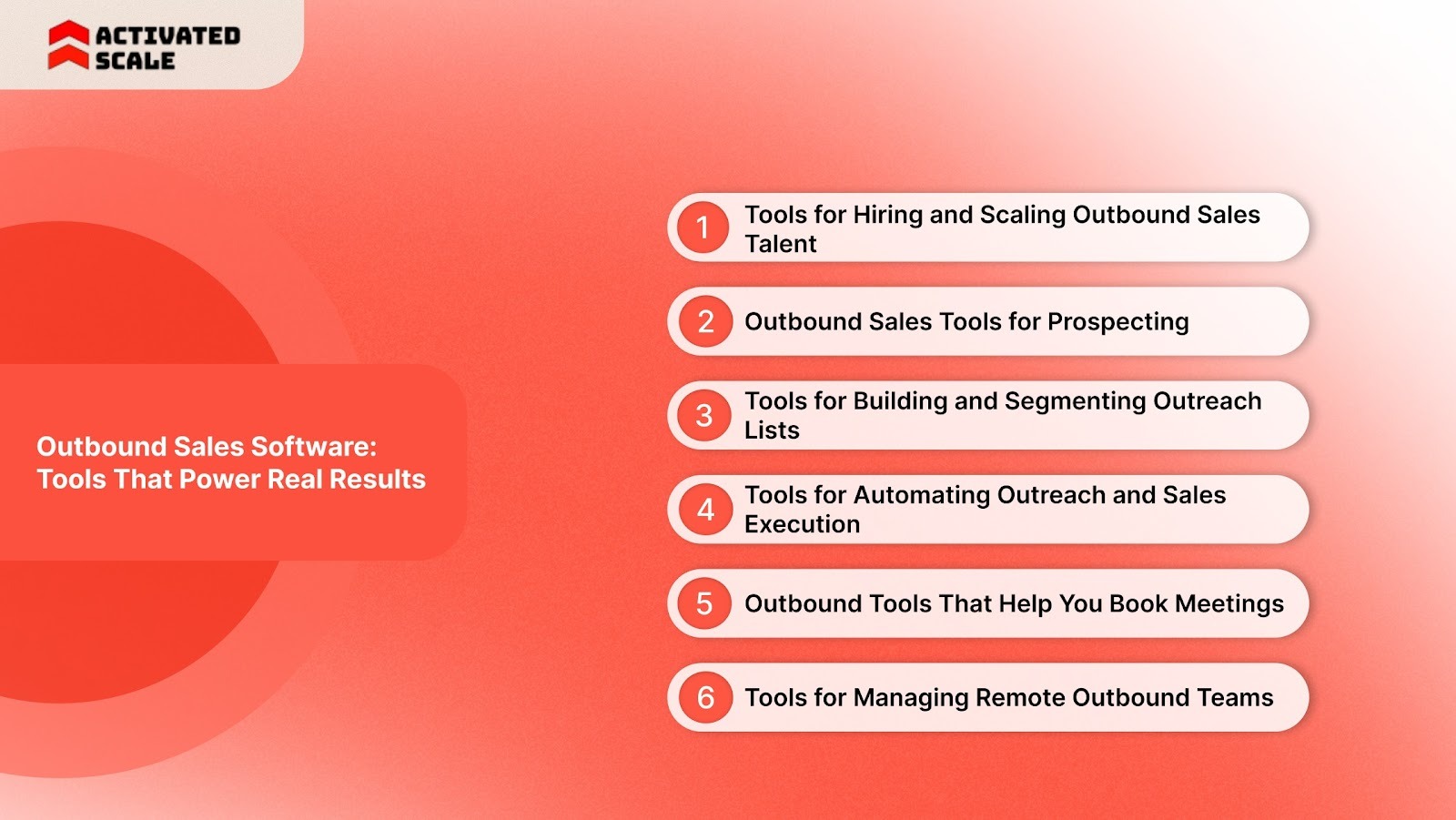
1. Tools for Hiring and Scaling Outbound Sales Talent
Outbound sales software can only perform as well as the people using it. As outbound motions become more complex and execution-driven, many companies now treat sales talent itself as a scalable resource, not just a fixed headcount decision.
This has led to the rise of platforms that help companies access experienced outbound sales professionals quickly, without committing to permanent hires too early.
Activated Scale
Activated Scale isn’t traditional sales software. It’s a sales talent platform designed for companies that want to execute outbound effectively without the risk, time, or cost of early full-time hiring.
Instead of asking internal teams to learn new tools, build messaging from scratch, or ramp junior reps, Activated Scale connects businesses with pre-vetted outbound sales professionals who already know how to use tools like LinkedIn Sales Navigator, Outreach, SalesLoft, HubSpot, and Apollo in real selling environments.
What Activated Scale Enables
- Hire experienced outbound sales talent faster: Access SDRs, AEs, and sales leaders with proven experience selling to similar buyers and ACVs.
- Flexible hiring models: Hire fractionally, on a contract basis, or through contract-to-hire, scale up or down as needed.
- Execution-first validation: Validate real outbound performance (meetings booked, demos run, revenue closed) before committing to long-term headcount.
- Reduced hiring and ramp risk: Talent is pre-vetted for outbound experience, tooling familiarity, and past results, no guesswork.
How Activated Scale Works
- Define your goals - Start with a free 30-minute sales strategy call to align on your product, ICP, ACV, and outbound motion.
- Talent review - Activated Scale matches your needs against its network of 300+ vetted sales professionals with relevant experience.
- Interview your talent - Meet 2–4 candidates and run at least two interview rounds to ensure fit.
- Kick off execution - Start the engagement and measure performance in live outbound conditions.
Why This Fits Modern Outbound Teams
- Startups use fractional SDRs to increase meetings quickly
- Growth teams use fractional AEs to close early revenue
- ~85% of companies convert fractional hires into full-time roles after proving results
This model reflects the same trend seen across outbound software: flexibility, execution speed, and outcome-based decisions over rigid structures.
2. Outbound Sales Tools for Prospecting
Prospecting tools help sales teams identify who to contact before outreach begins. These tools focus on lead discovery, account research, and early-stage qualification.
HubSpot Marketing Hub
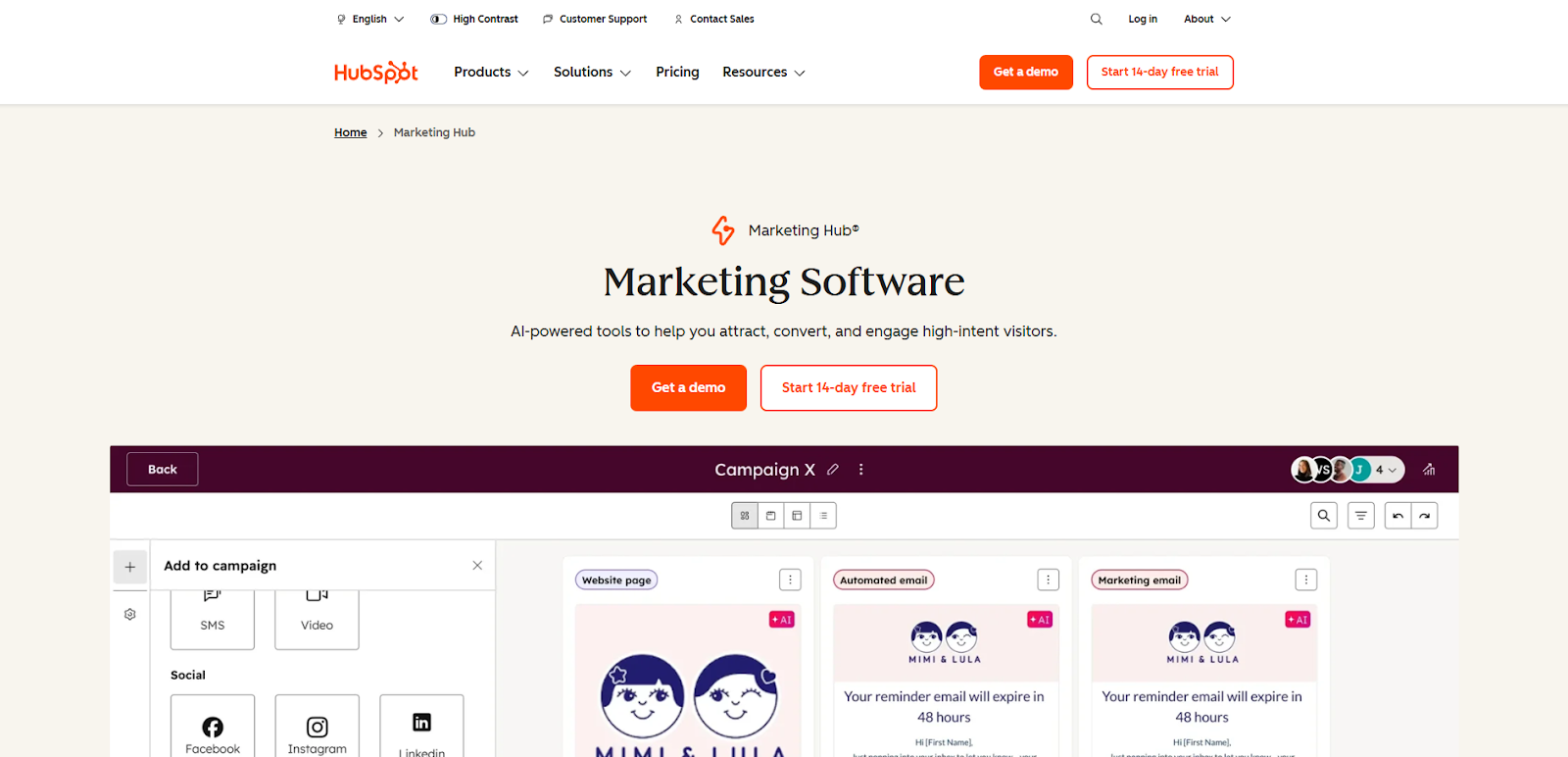
HubSpot Marketing Hub is designed for teams that want prospecting tied closely to CRM data, content engagement, and lifecycle tracking. It allows sales and marketing teams to see how prospects interact with emails, pages, and campaigns before outreach begins.
It works best for software companies running hybrid inbound–outbound motions, where reps prioritize leads based on engagement signals instead of cold lists alone.
Strengths
- Unified view of contacts, campaigns, and engagement history
- Strong analytics for tracking lead behavior over time
- Seamless handoff between marketing and sales teams
Limitations
- Advanced plans become expensive quickly
- Requires time to configure properly for outbound-first teams
LinkedIn Sales Navigator
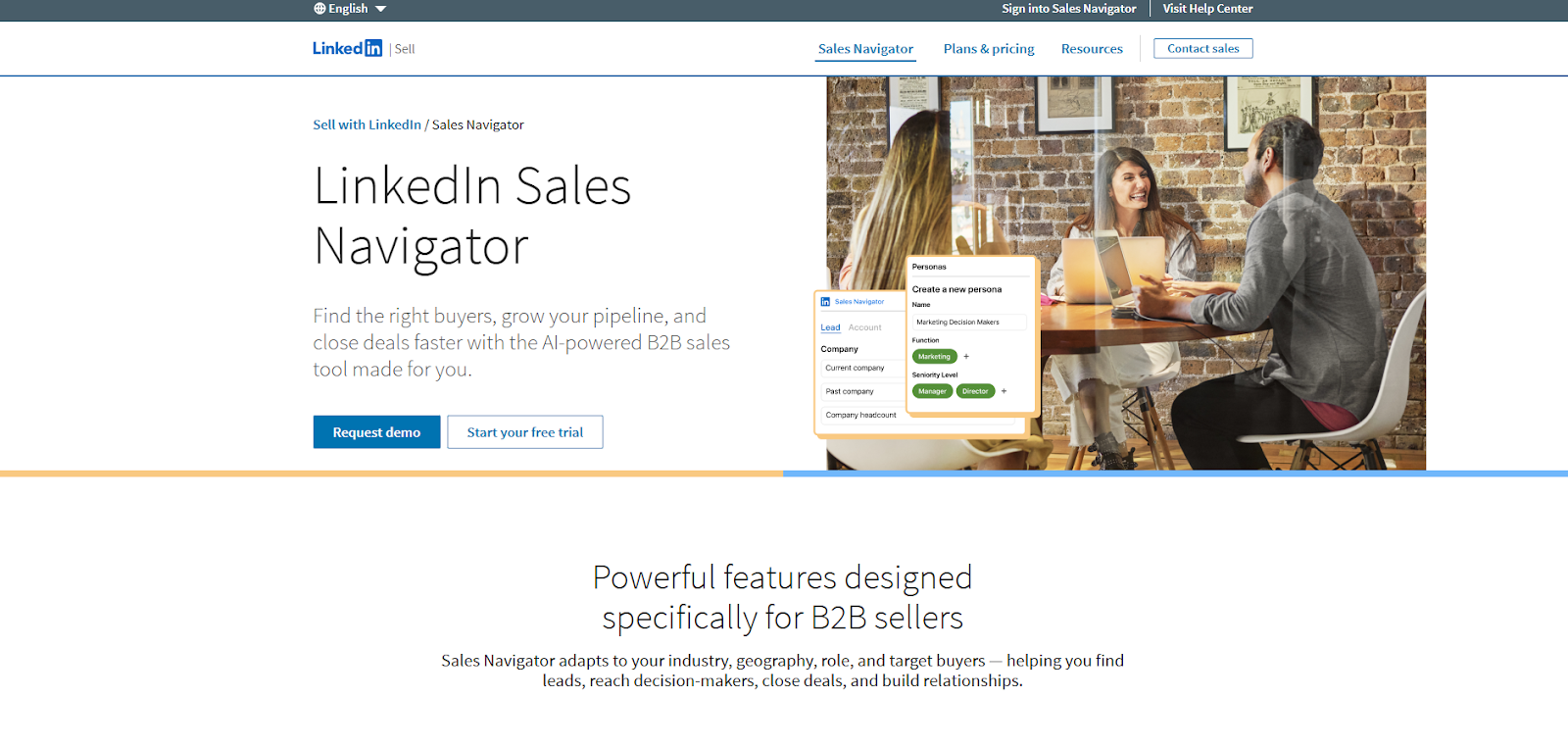
LinkedIn Sales Navigator is built for account-based prospecting. It allows reps to search for decision-makers using role, company size, industry, seniority, and activity filters.
It’s especially effective for enterprise and mid-market sales, where deals depend on engaging multiple stakeholders over time.
Strengths
- Direct access to LinkedIn’s professional graph
- Real-time alerts on job changes and company updates
- Strong for personalized, relationship-led outreach
Limitations
- Limited outside the LinkedIn ecosystem
- Less useful for high-volume outbound without other tools
ZoomInfo
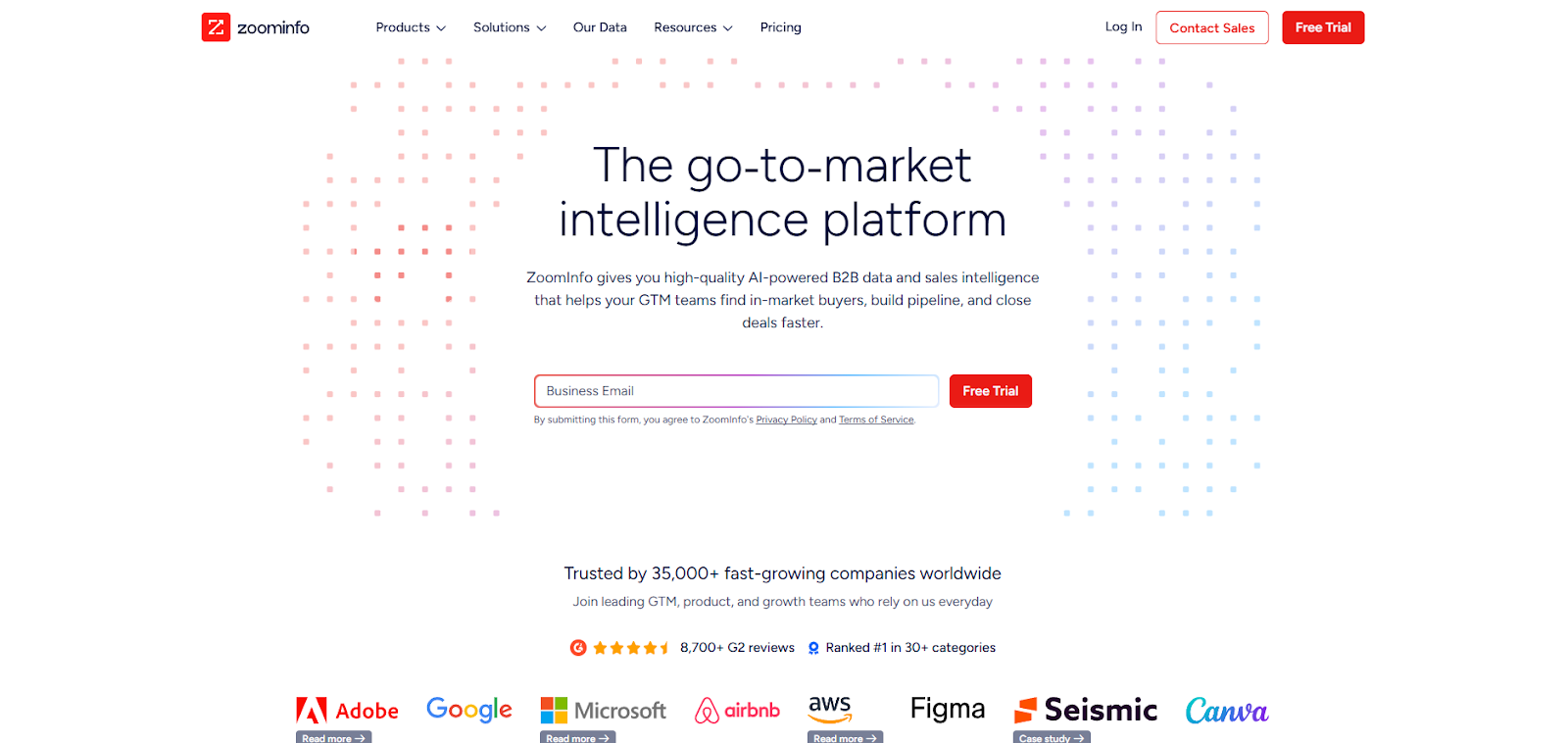
ZoomInfo focuses on large-scale B2B data intelligence. It provides firmographic, technographic, and contact-level data that helps teams identify companies actively buying or researching relevant solutions.
Enterprise outbound teams often use ZoomInfo to support territory planning and account prioritization, not just list building.
Strengths
- Deep company and contact-level data
- Technographic insights for targeting based on tools used
- Strong integrations with enterprise CRMs
Limitations
- Expensive for early-stage teams
- Limited value outside B2B and enterprise sales
3. Tools for Building and Segmenting Outreach Lists
These tools go beyond discovery. They help teams build, clean, and segment outreach lists so messaging can be tailored by role, industry, or buying intent.
Apollo.io
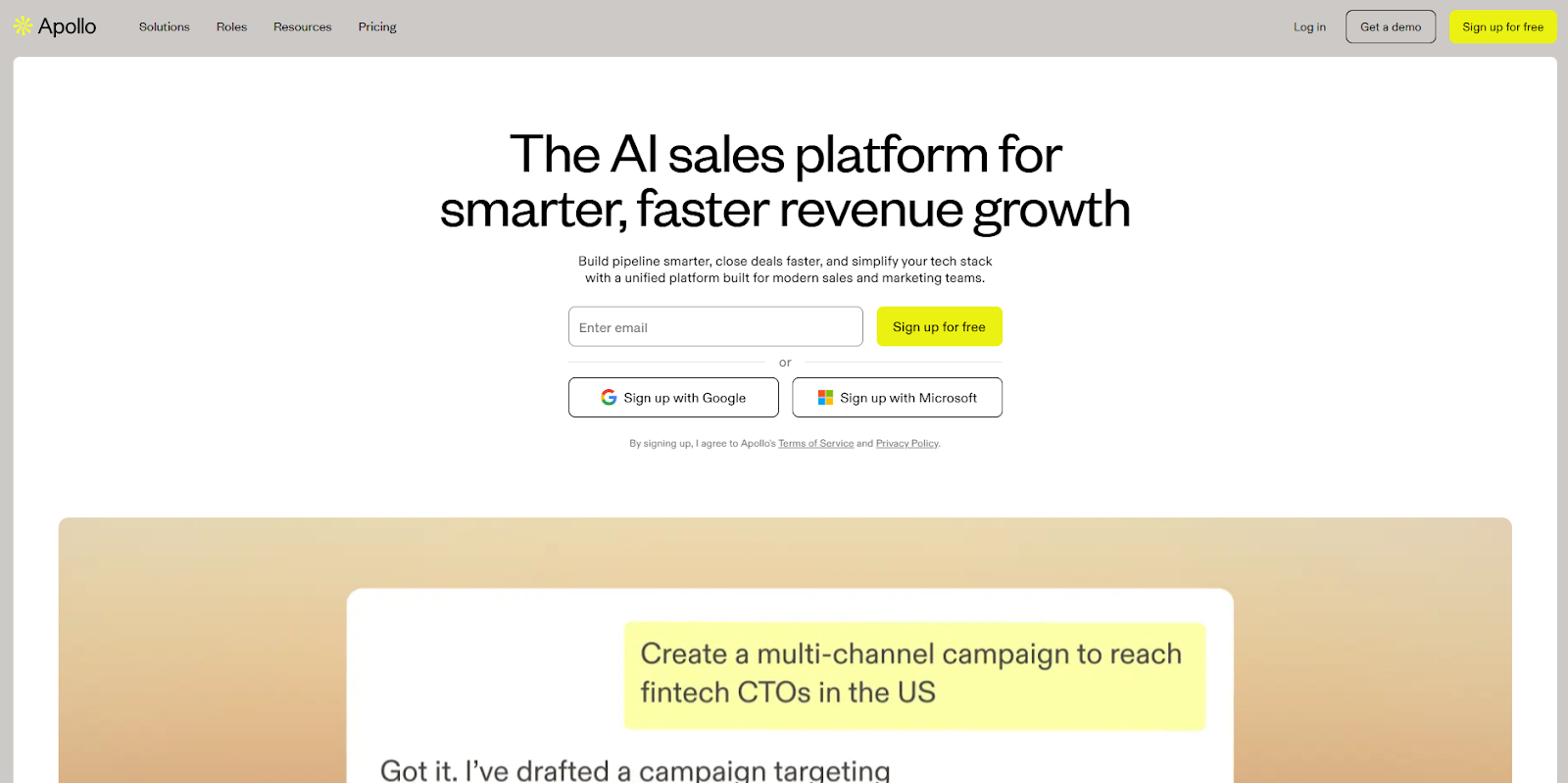
Apollo combines prospecting, list building, enrichment, and outreach in one platform. It’s popular with startups and lean sales teams that want speed and coverage without managing multiple tools.
Apollo is often used to quickly build targeted lists and launch outbound campaigns without heavy setup.
Strengths
- Large B2B contact database
- Built-in CRM and outreach features
- Cost-effective compared to enterprise data platforms
Limitations
- Limited flexibility for complex sales motions
- Data accuracy varies by region and role
BuiltWith
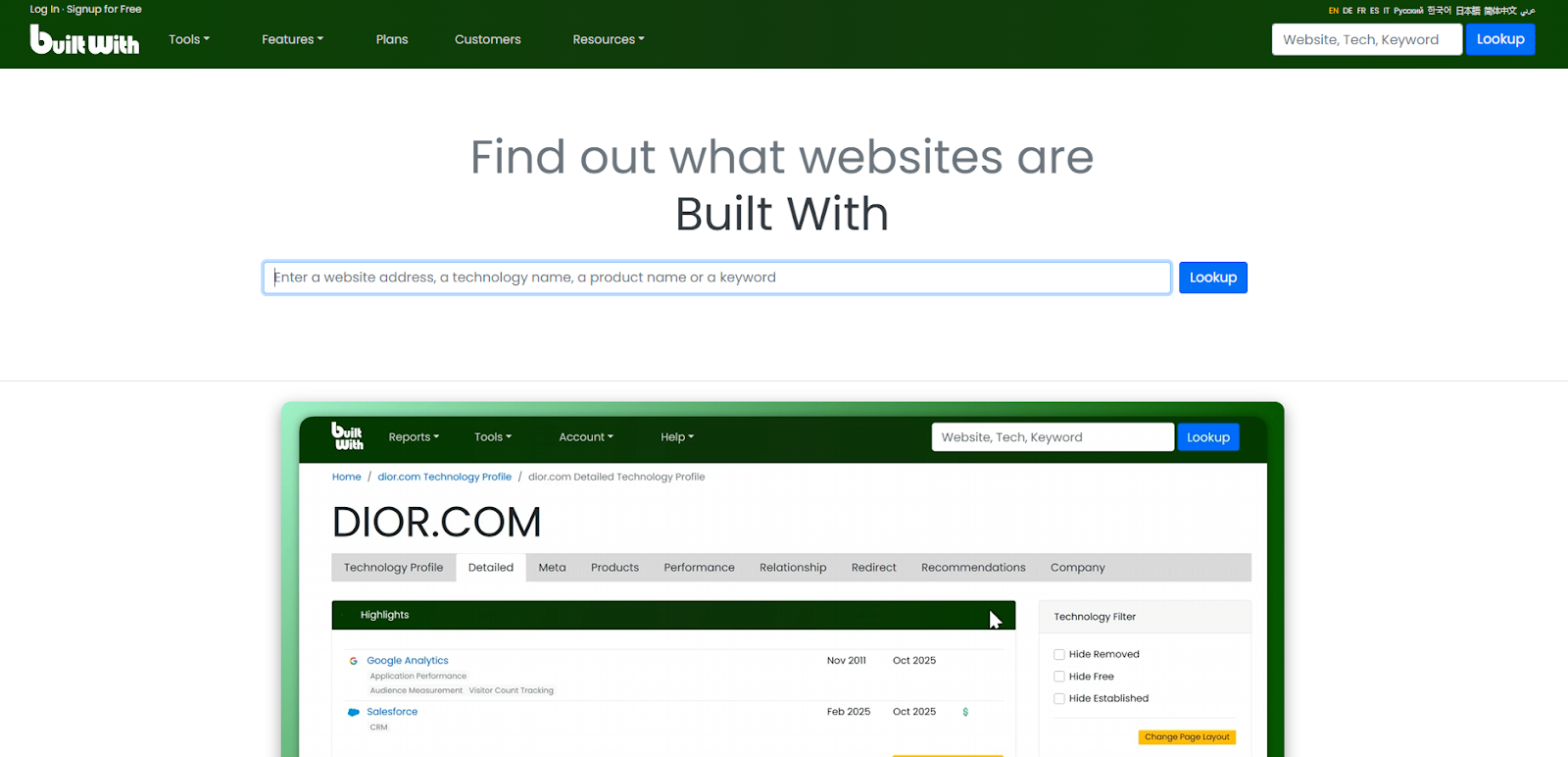
BuiltWith is a niche but powerful tool for technology-based targeting. It identifies what software, frameworks, and infrastructure a company uses.
This is especially valuable for outbound teams selling developer tools, SaaS platforms, integrations, or infrastructure products.
Strengths
- Clear visibility into a company’s tech stack
- Helps tailor messaging around compatibility or replacement
- Strong signal-based targeting for technical buyers
Limitations
- Narrow use case
- Higher price point for single-purpose functionality
Seamless.ai
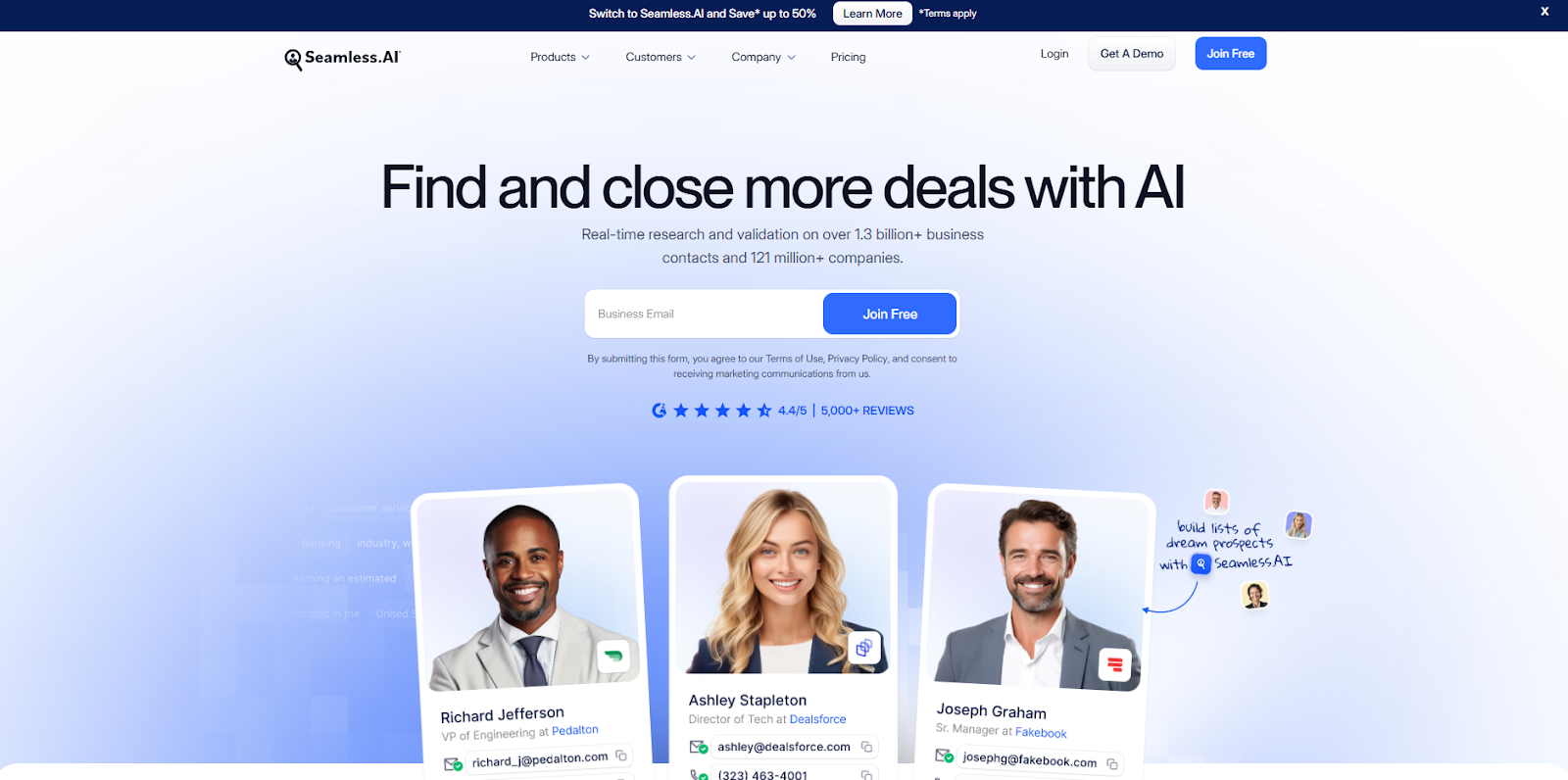
Seamless.ai focuses on AI-driven contact discovery and fast list creation. It’s designed for teams that want to generate leads quickly and sync them directly into CRMs.
It’s often used in high-volume outbound environments where speed matters more than deep account research.
Strengths
- Fast contact discovery
- Easy CRM integrations
- Low setup effort
Limitations
- Limited customization for segmentation
- Mixed feedback on data accuracy and support
4. Tools for Automating Outreach and Sales Execution
Automation tools help sales teams run consistent outbound motions at scale. They manage follow-ups, sequencing, activity tracking, and performance visibility, without forcing reps to live inside spreadsheets.
Outreach
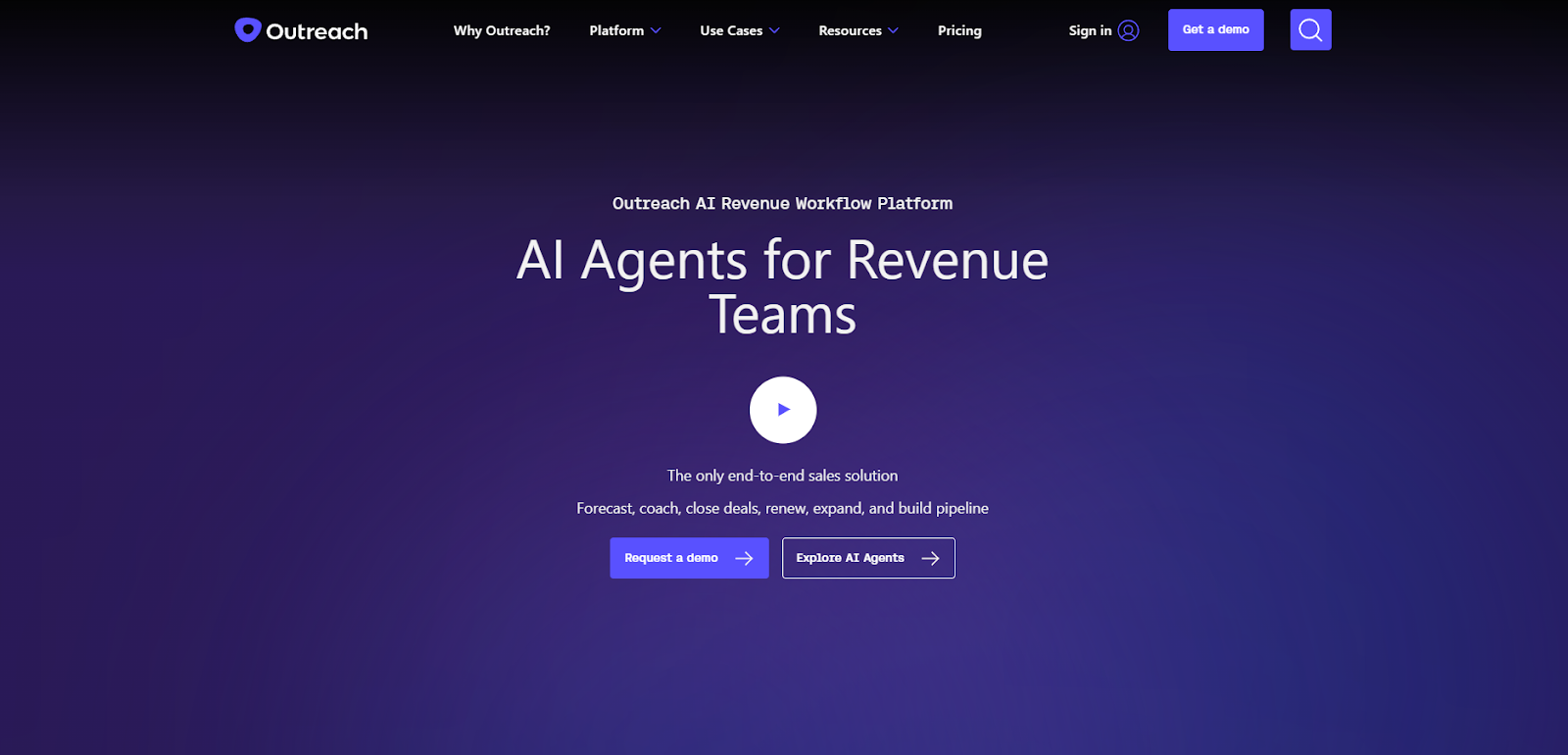
Outreach is built for teams running structured, high-volume outbound programs, especially in mid-market and enterprise sales. It centralizes email, calls, tasks, and analytics into repeatable workflows.
Sales leaders use Outreach to enforce process discipline while still allowing reps to personalize messaging where it matters.
Strengths
- Advanced sequencing and follow-up automation
- Strong pipeline and activity analytics
- Designed for complex, multi-step sales cycles
Limitations
- Expensive for smaller teams
- Requires onboarding and implementation effort
SalesLoft
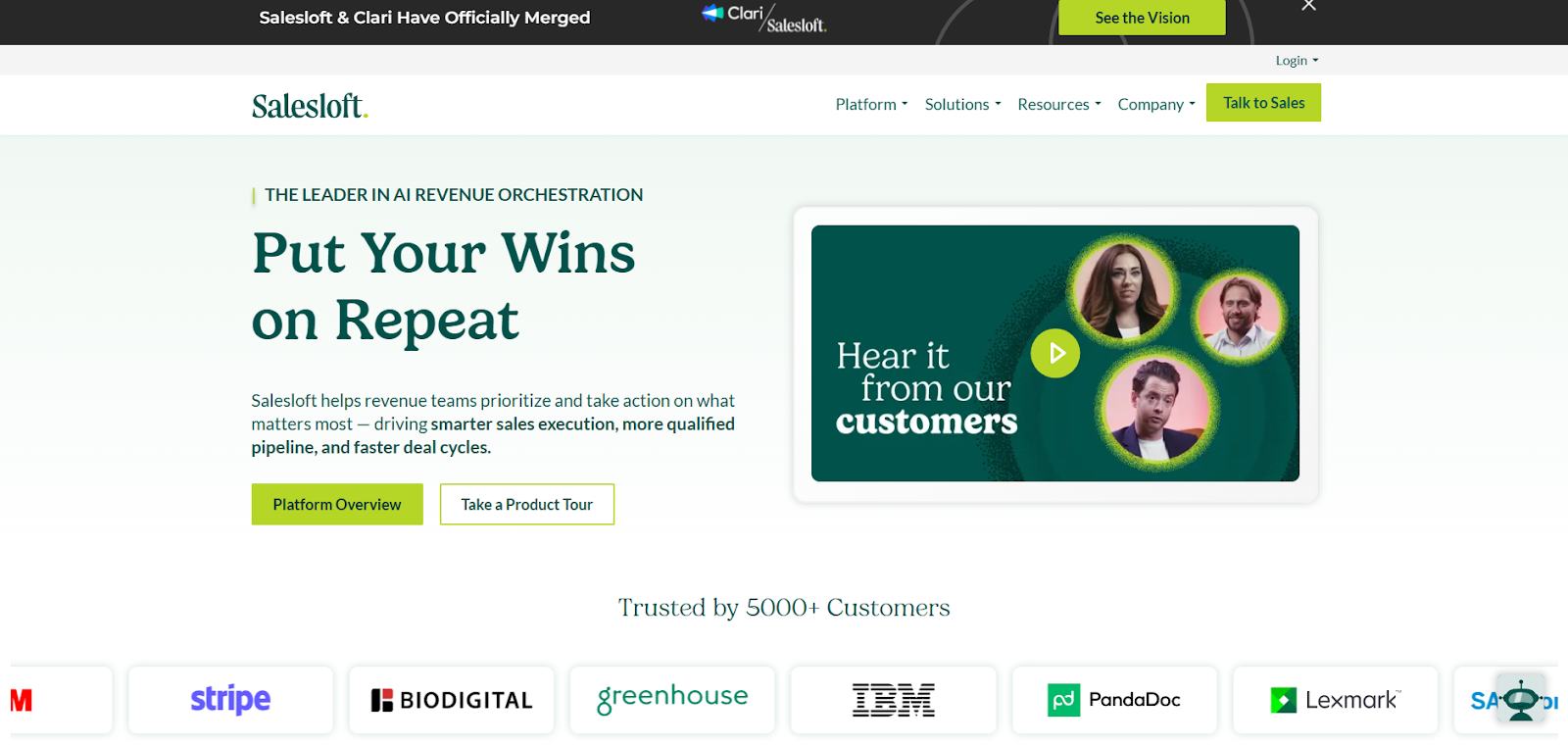
SalesLoft focuses on sales engagement and cadence-based outreach. It’s commonly used by teams that want reps to follow consistent outreach patterns without micromanagement.
SDRs and AEs typically use SalesLoft to manage daily outreach across email, calls, and LinkedIn tasks in one place. It’s especially effective for teams that want structure without feeling locked into strict workflows.
Strengths
- Easy-to-build cadences
- Good balance of automation and rep control
- Strong CRM integrations
Limitations
- Learning curve for new users
- Less flexibility for highly customized workflows
HubSpot Sales Hub
HubSpot Sales Hub brings outbound automation into the HubSpot ecosystem. It works best for teams already using HubSpot CRM and wanting one system for pipeline, outreach, and reporting.
Reps typically use Sales Hub to send sequenced emails, automate follow-ups, log activities automatically, and track deals without switching tools. For early-stage or mid-market teams, this reduces tool sprawl and onboarding time.
Strengths
- Simple setup and clean UX
- Email sequencing and task automation
- Tight CRM integration
Limitations
- Separate pricing from Marketing Hub
- Less advanced for enterprise outbound use cases
5. Outbound Tools That Help You Book Meetings
Once outreach works, scheduling becomes the bottleneck. These tools remove friction between interest and booked conversations.
Calendly
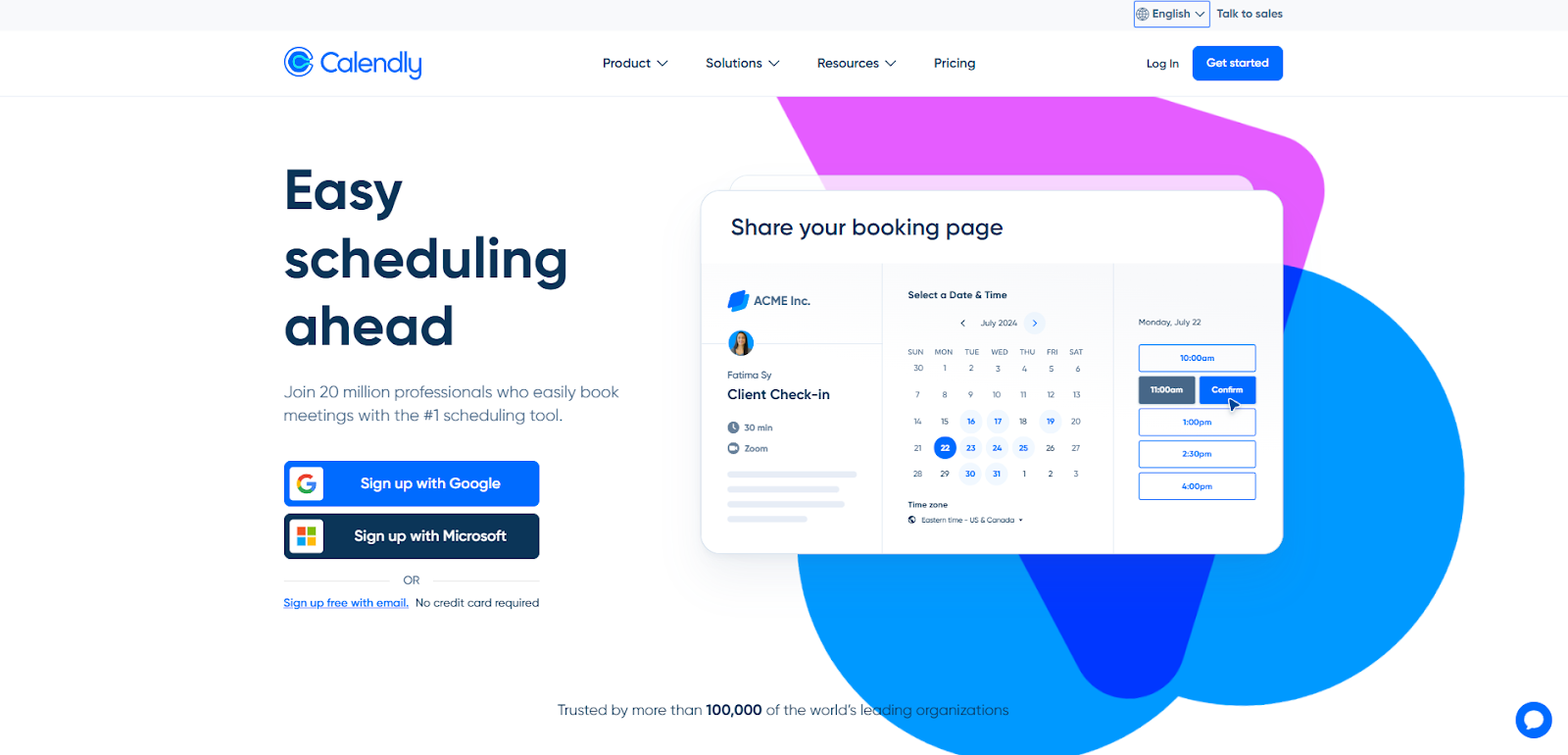
Calendly automates meeting booking by syncing availability across calendars. It’s widely used because it’s simple, reliable, and fast to deploy.
In outbound sales, Calendly shortens the gap between response and meeting, often the difference between momentum and drop-off. Automated reminders also reduce no-shows, especially across time zones.
Strengths
- Quick setup and easy adoption
- Automated reminders reduce no-shows
- Works across time zones
Limitations
- Limited flexibility for complex scheduling
- Rescheduling can be awkward for prospects
Zoom Scheduler
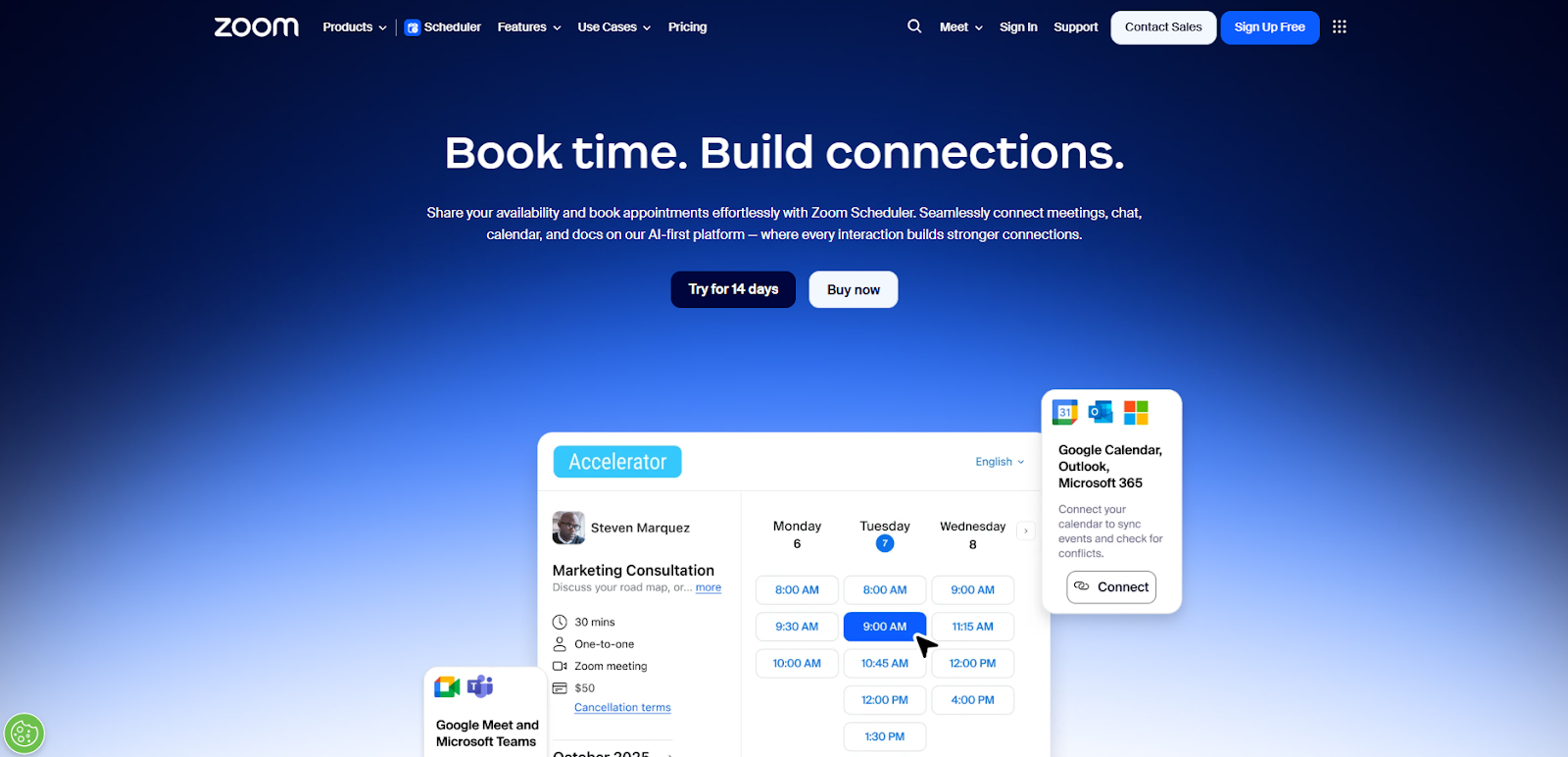
Zoom Scheduler ties scheduling directly to Zoom meetings. It’s most effective for teams already standardized on Zoom for sales calls.
Strengths
- Native Zoom integration
- Calendar syncing and automated invites
Limitations
- Requires Zoom subscription
- Limited differentiation from other schedulers
Doodle
Doodle is best suited for group scheduling, especially when multiple stakeholders must coordinate availability.
Strengths
- Poll-based scheduling
- Useful for multi-party meetings
Limitations
- UX changes affected long-time users
- Less ideal for fast-moving sales cycles
Learn more about: What is Outbound Sales? Key Steps and Strategies Guide
6. Tools for Managing Remote Outbound Teams
Outbound sales often run across time zones. These tools support coordination, visibility, and execution without constant meetings.
Slack
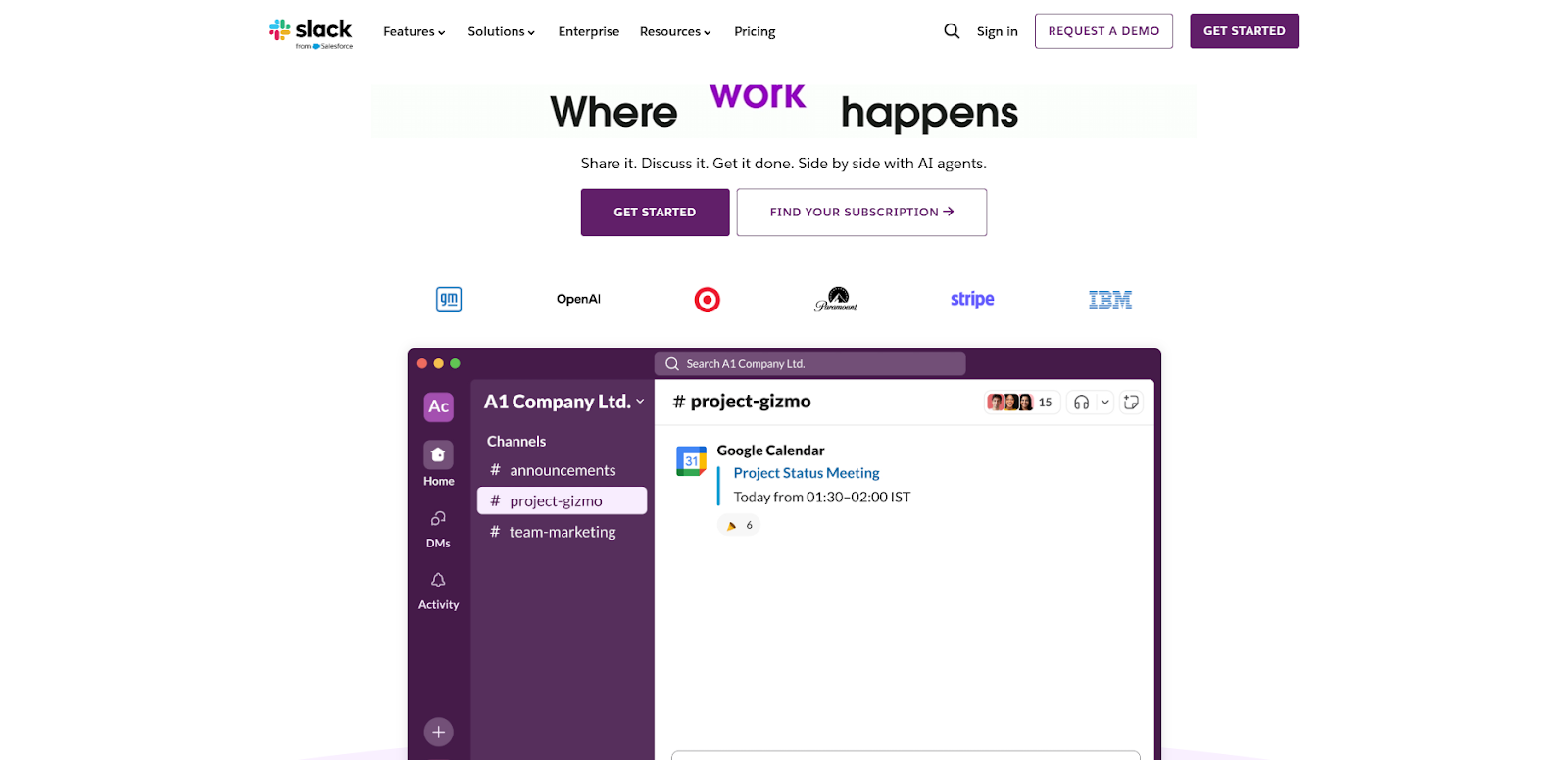
Slack centralizes communication through channels and integrations. Sales teams use it for quick updates, deal collaboration, and tool notifications.
Strengths
- Fast, real-time communication
- Integrates with sales and CRM tools
Limitations
- Can cause information overload
- Search limitations on lower plans
Asana
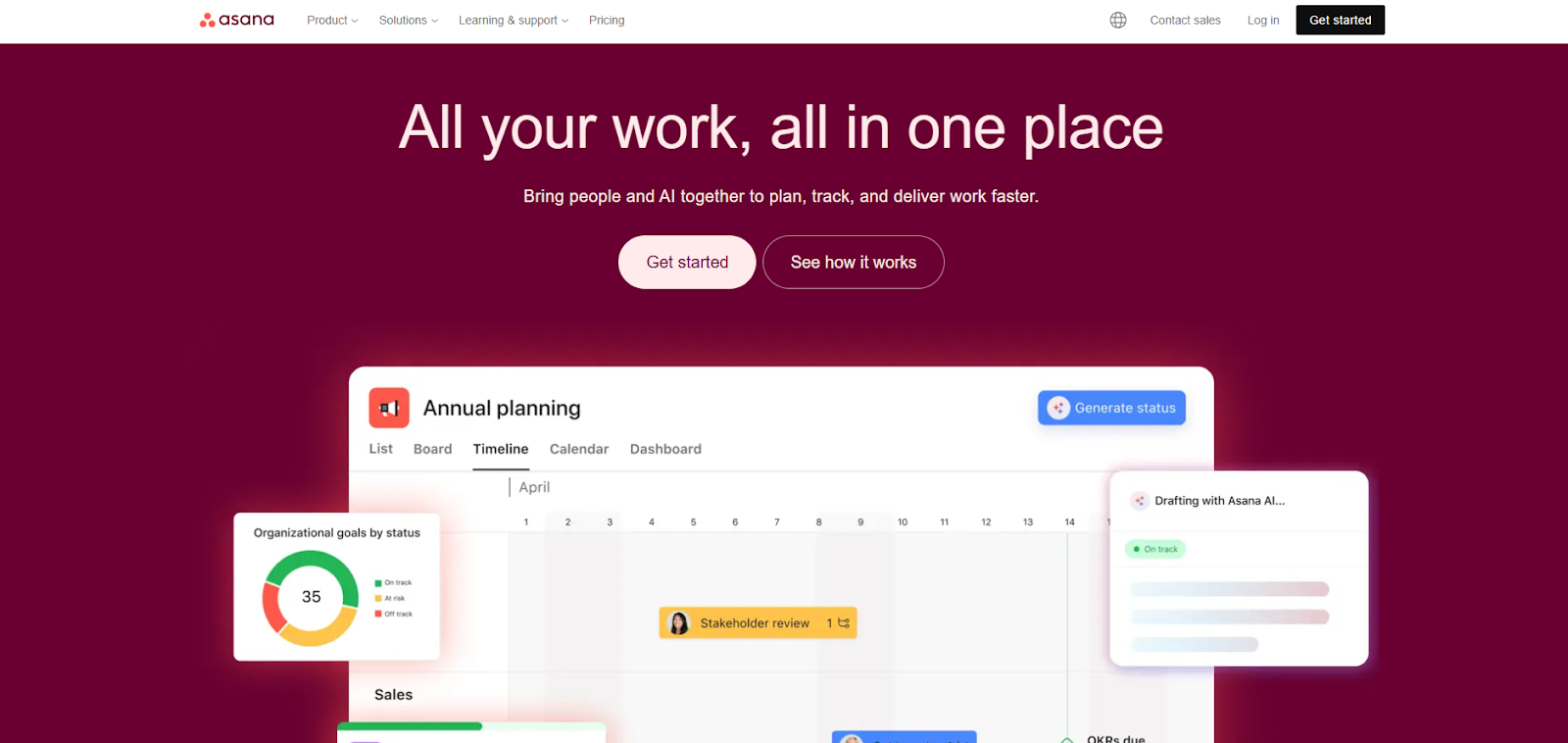
Asana helps teams manage tasks, campaigns, and deadlines. It’s useful for keeping outbound initiatives organized beyond daily messaging.
Strengths
- Clear task ownership and timelines
- Reduces reliance on constant chat
Limitations
- Learning curve for first-time users
Monday.com
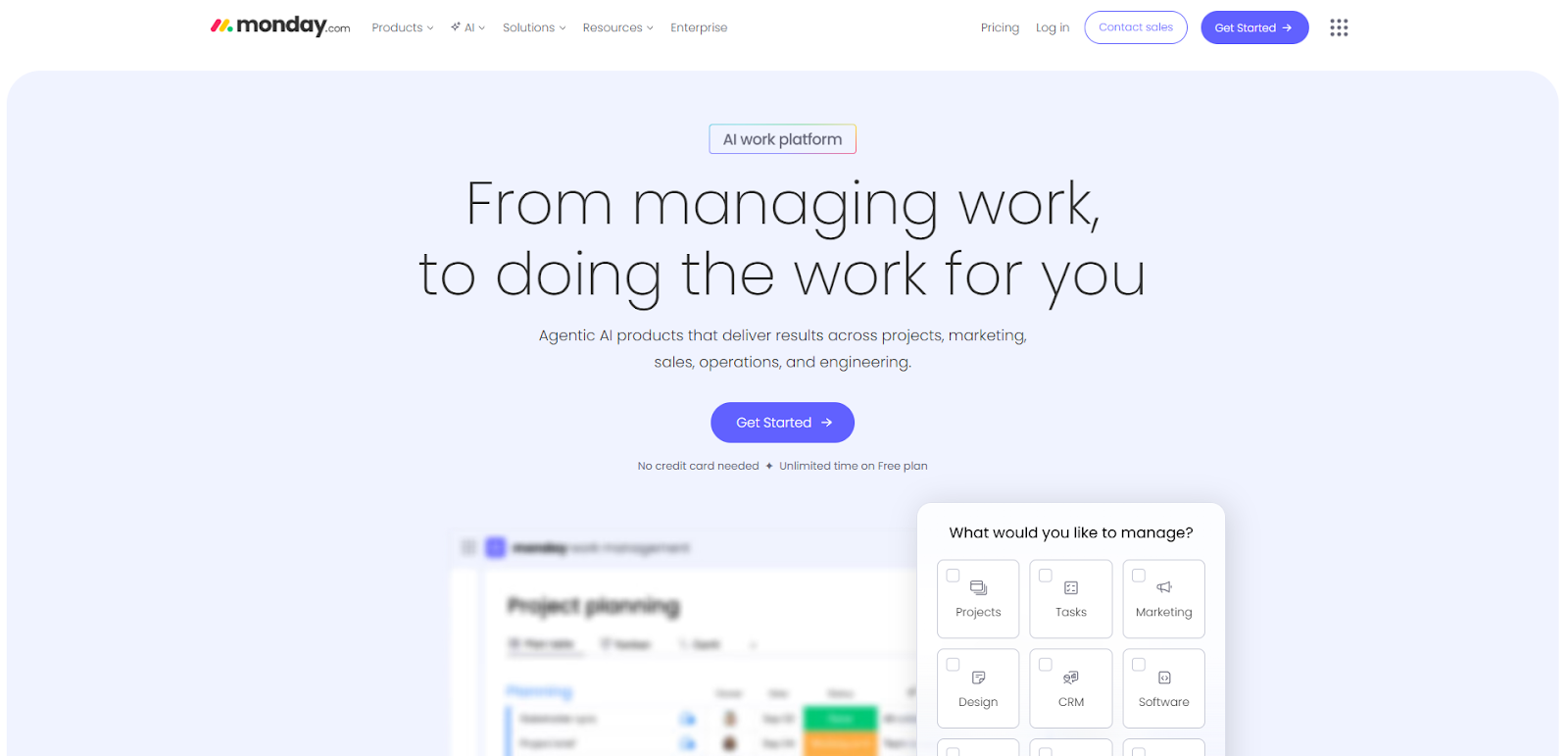
Monday.com offers visual workflows and customizable boards. Sales teams use it to track campaigns, handoffs, and execution progress.
Strengths
- Highly flexible workflows
- Strong visual reporting
Limitations
- UX preferences vary by team
- Can become complex if over-customized
How to Choose the Best Outbound Sales Tools for Your Company?
Choosing outbound sales software works best when it’s driven by business needs, not feature lists. A few focused considerations can help narrow the right tools quickly.
1.Set a clear budget with ROI in mind
Know what you can realistically spend, but evaluate tools based on the revenue or time they help generate, not just cost. A simple cost-benefit view prevents overpaying for unused features.
2.Identify your real bottlenecks
Look at where your outbound process slows down, prospecting, follow-ups, data entry, or reporting. Choose tools that directly address those gaps instead of adding complexity.
3.Prioritize ease of use
Tools should be easy for reps to adopt with minimal training. High usability leads to faster rollout, better collaboration, and more consistent outreach across the team.
The goal isn’t to stack more software. It’s to enable focused execution that improves outreach quality, team coordination, and sales outcomes.
Conclusion
Outbound sales software can create leverage, but only when it’s chosen with intention. The most effective teams don’t adopt tools to “do more”, they adopt them to remove friction from execution.
Prospecting tools help you target the right accounts. Automation tools keep outreach consistent. Scheduling tools convert interest into meetings. Collaboration tools keep distributed teams aligned. When these pieces work together, outbound becomes repeatable and measurable.
Still, tools don’t replace execution. Teams that see the strongest results pair their outbound stack with experienced sales professionals who know how to use it effectively.
That’s where Activated Scale fits naturally, helping companies access outbound-ready sales talent that can step into existing tools, execute proven motions, and deliver impact without long hiring cycles.
Discover how Activated Scale enables teams to match the right tools with the right sales talent.
FAQs
1. What is outbound sales software?
Outbound sales software includes tools that support prospecting, outreach, automation, scheduling, and execution for proactive sales efforts.
2. Do I need multiple outbound sales tools?
Not always. Early teams often succeed with fewer tools. Complexity should increase only when process and volume demand it.
3. What’s the difference between prospecting and outreach tools?
Prospecting tools help you find who to contact. Outreach tools help you engage them consistently and at scale.
4. Can outbound sales software replace sales reps?
No. These tools support reps by removing manual work, but execution, discovery, and closing still depend on people.
5. How does Activated Scale support outbound sales teams?
Activated Scale connects companies with experienced sales professionals who can execute outbound motions using modern tools from day one.
The Ultimate Guide to Hiring a Salesperson!
Get the step-by-step guide to hiring, onboarding, and ensuring success!