_edi.png)

Hiring the right salesperson is one of the hardest challenges for growing businesses, and getting it wrong is expensive. In fact, 65% of sales organizations report that finding quality sales talent is their biggest hiring challenge, and 48% of sales hires fail to meet expectations or leave within 18 months.
That means nearly half of all new sales hires won’t stick or perform as needed, a setback that hits revenue, momentum, and team morale. For founders and revenue leaders, understanding how to hire a salesman goes beyond job postings and resumes: it requires clarity on skills, fit, performance metrics, and onboarding readiness.
Core takeaways
- Nearly 48% of sales hires fail or leave within 18 months, making it critical to approach sales hiring as a structured, outcome-driven process rather than a resume-based decision.
- Clearly defining what you sell, who you sell to, and how revenue is generated helps determine whether you need a hunter, closer, or farmer—and avoids misalignment that stalls growth.
- Strong sales hires demonstrate clear deal thinking, discovery skills, objection handling, and accountability, while weak hires rely on scripts, excuses, or vague success claims.
- Role plays, deal walkthroughs, and 30–60–90 day ramp plans reveal real selling ability and reduce risk long before closed deals appear.
- Fractional and contract-to-hire approaches—like those offered by Activated Scale—allow businesses to validate performance in real sales environments before committing to long-term headcount.
What the Sales Hiring Process Really Means and Why It Matters
Hiring a salesman isn’t just posting a job ad and waiting for resumes. It’s a structured process of identifying, evaluating, and onboarding the right sales talent who can generate revenue, build relationships, and scale your business.
Why it matters:
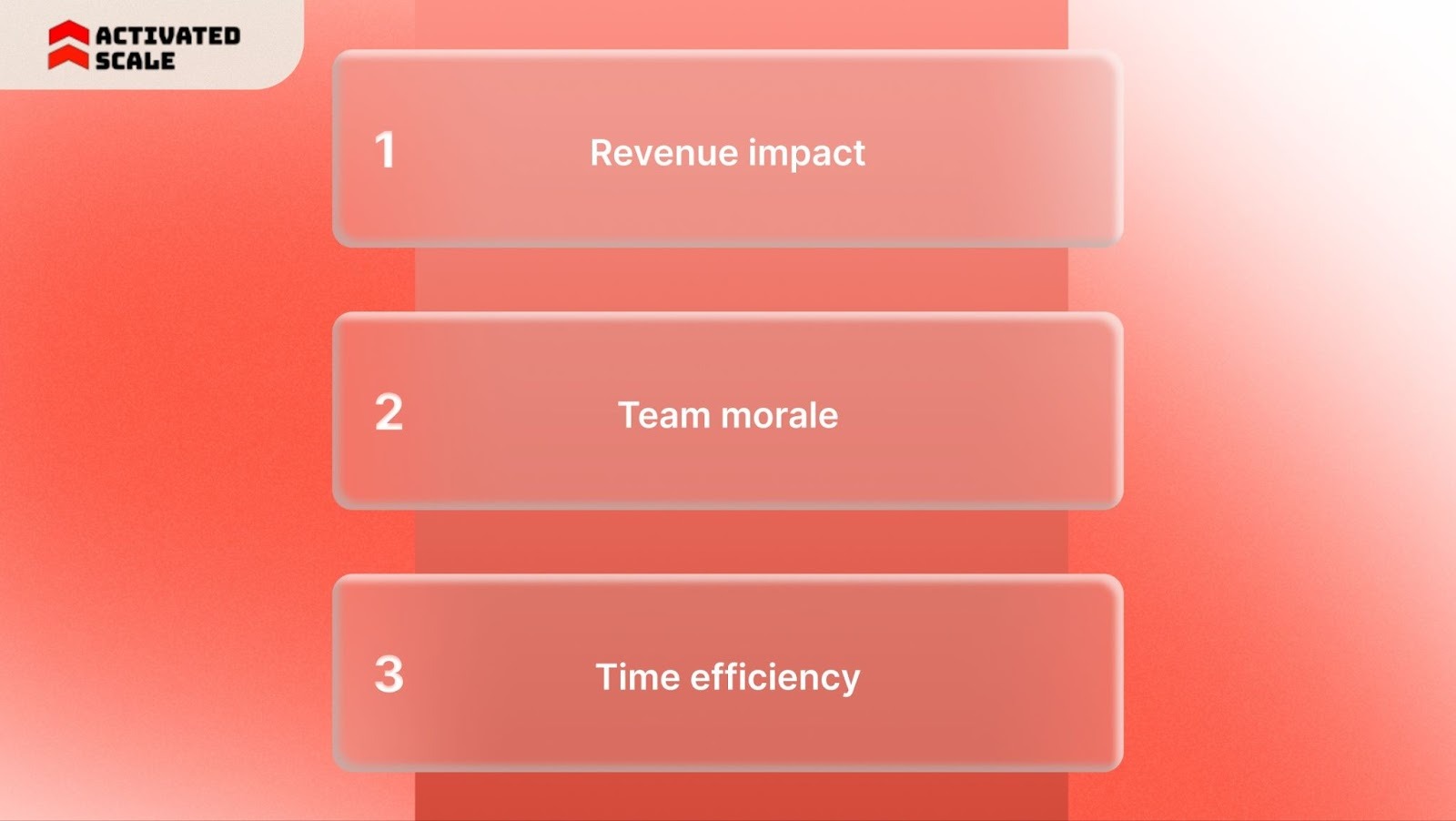
- Revenue impact: A strong salesperson drives predictable growth; a mis-hire can cost 1–2x their annual salary and slow business momentum.
- Team morale: A bad hire disrupts workflows and puts pressure on other team members.
- Time efficiency: Each mis-hire wastes weeks of recruiting, training, and management effort.
With this context in mind, we’ll break down the step-by-step process to hire a salesperson effectively so you can avoid costly mistakes and build a high-performing sales team from the start.
Step-by-Step Guide: How to Hire a Salesman Who Actually Delivers
Hiring a salesman is more than filling a role, it’s about finding someone who can drive revenue, fit your culture, and grow with your business.
Define What “Right” Means Before You Start Hiring
One of the biggest mistakes companies make when figuring out how to hire a salesman is starting with a job post instead of a clear definition. “Salesperson” is not a role, it’s a broad label that hides very different skill sets, responsibilities, and expectations.
Before you source candidates, get precise about three things:
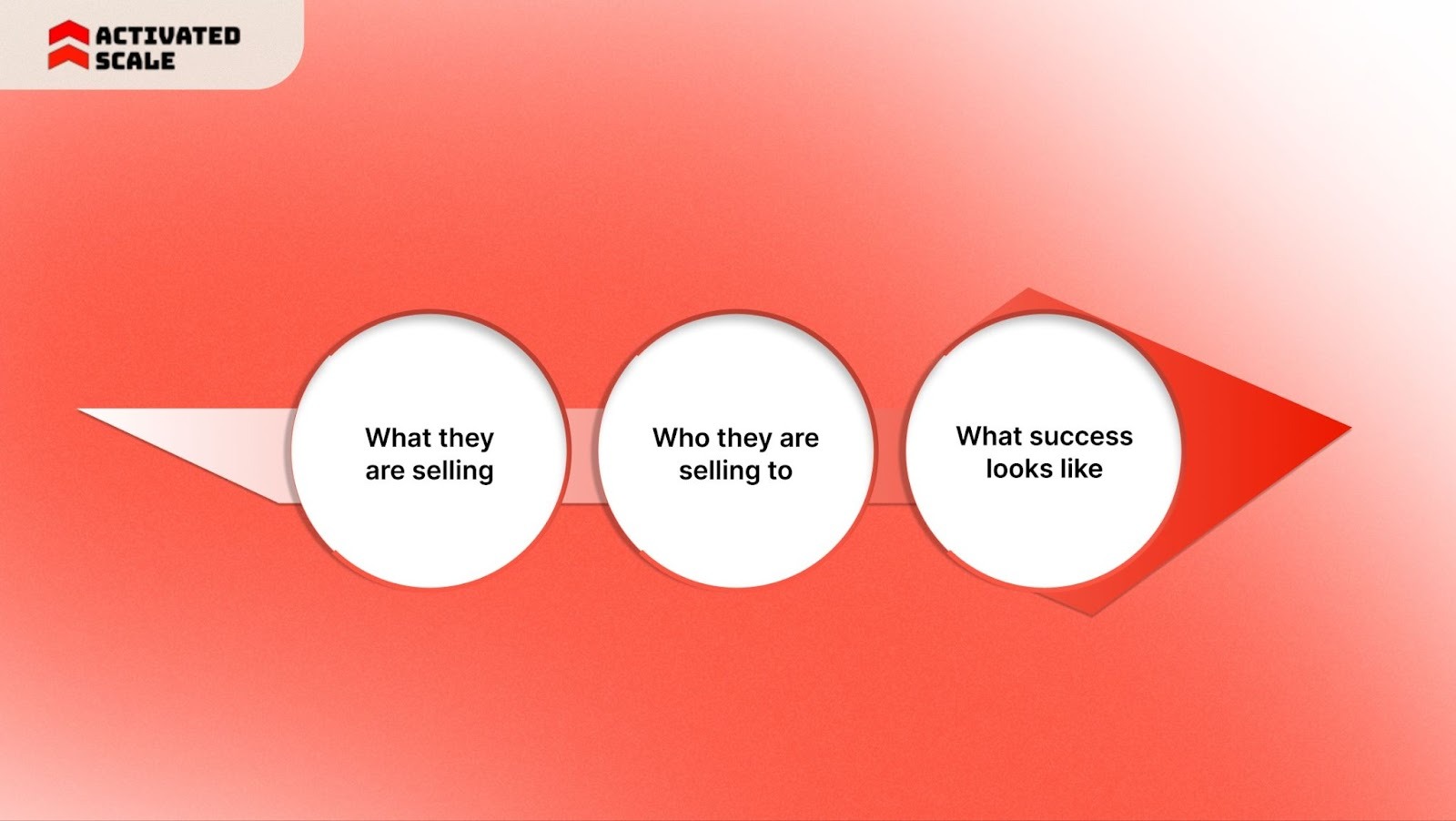
- What they are selling: product complexity, deal size, and sales cycle length
- Who they are selling to: SMBs, mid-market, or enterprise buyers
- What success looks like: pipeline creation, deal closure, or account expansion
Hiring fails when expectations are vague. A salesperson hired to “drive revenue” without clarity on motion, quota, or ownership is set up to underperform, no matter how strong their resume looks.
Identify the Type of Salesperson You Actually Need
Not all salespeople sell the same way. Hiring the wrong profile for your go-to-market motion is one of the fastest ways to stall growth.
Here are the most common sales profiles:
- Hunters: Focus on outbound prospecting and pipeline generation
- Closers: Specialise in moving qualified deals to close
- Farmers: Grow existing accounts through upsells and renewals
Beyond roles, consider the selling environment:
- Transactional sales: Short cycles, high volume, price-sensitive buyers
- Consultative sales: Longer cycles, multiple stakeholders, problem-driven selling
A strong candidate in one model can struggle badly in another. That’s why knowing exactly how you sell is critical when deciding how to hire a salesman who can actually perform.
Learn more about: What Affects Sales Training Costs and How To Plan
Skills That Matter More Than a Sales Resume
A polished resume and big-name logos don’t guarantee results. What separates effective salespeople is execution ability in real selling scenarios.
Prioritize candidates who demonstrate:
- Clear articulation of past deals (not vague success claims)
- Strong discovery and questioning skills
- Comfort handling objections without becoming defensive
- Ownership of outcomes, not excuses
Red flags to watch for:
- Over-reliance on scripts
- Blaming past employers for missed targets
- Inability to explain how deals were won
The best sales hires show pattern recognition, adaptability, and accountability, not just confidence.
How to Evaluate Sales Candidates Effectively
Evaluating sales candidates isn’t about how confident they sound, it’s about how clearly they think through real sales situations. A strong evaluation process helps you predict performance before revenue is on the line.
Interview questions that reveal selling ability
The best questions force candidates to explain how they sell, not just what they’ve sold.
Ask questions like:
- “Walk me through your last deal, from first outreach to close.”
- “What objections came up, and which one almost killed the deal?”
- “What would you do differently if you ran that deal again?”
High-quality candidates explain buyer psychology, decision points, and trade-offs. Weak candidates rely on vague outcomes or credit external factors.
Practical assessments that mirror real selling
Sales roles demand execution under pressure. That’s why practical tests matter more than polished interviews.
Effective assessments include:
- Role plays to test discovery and objection handling
- Deal walkthroughs to understand pipeline thinking
- Written follow-ups to assess clarity, structure, and value articulation
You’re not testing for perfection, you’re testing for logic, adaptability, and consistency.
What to test beyond communication skills
Strong communication alone doesn’t close deals. Look for:
- Structured discovery thinking
- Ability to prioritise deals
- Comfort handling rejection
- Discipline in follow-ups and CRM usage
Sales success comes from repeatable habits, not charisma.
Cultural Fit and Coachability: The Hidden Differentiators
Technical sales skills can be taught. Mindset cannot.
Cultural alignment and coachability often decide whether a hire succeeds or quietly fails.
Why attitude and adaptability matter
Sales teams evolve quickly, pricing shifts, messaging changes, and ICPs refine. Salespeople who adapt without resistance protect momentum.
Look for candidates who:
- Ask thoughtful questions
- Accept feedback without defensiveness
- Show curiosity about improving their approach
Rigid sellers struggle as markets shift.
Spotting coachable sales talent
Coachability shows up in how candidates talk about growth.
Ask:
- “What feedback helped you most in your last role?”
- “What part of your sales process are you actively improving?”
Candidates who reflect honestly on weaknesses are easier to scale.
Avoiding ego-driven mis-hires
Confidence fuels sales. Ego blocks learning.
Red flags include:
- Blaming leadership for missed quotas
- Dismissing the enablement or process
- Overemphasising “natural talent” over preparation
Sales teams win when learning outweighs ego.
Compensation, Incentives, and Expectations
Many sales hires fail because expectations were unclear, not because the salesperson lacked ability.
Structuring comp plans realistically
Compensation should reflect:
- Deal size and sales cycle length
- Level of control the salesperson has
- Stage of your business
Overly complex plans confuse behavior. Simple plans drive focus and accountability.
Aligning incentives with outcomes
Pay for the outcomes you need most:
- Pipeline creation in early-stage teams
- Revenue closed in growth-stage teams
- Retention and expansion in mature accounts
Misaligned incentives lead to the wrong behaviors, fast.
Setting performance benchmarks early
Before day one, clarify:
- Ramp timeline
- Activity expectations
- Revenue or pipeline targets
Clear benchmarks reduce misunderstandings and speed up performance.
Onboarding and Early Success Metrics
Hiring a salesperson is only the beginning. How you onboard them determines how quickly they succeed.
The first 30–60–90 days
A structured ramp plan sets expectations early:
- 30 days: Product, ICP, messaging, and tools
- 60 days: Active selling with feedback
- 90 days: Ownership of pipeline or quota
Salespeople without structure build their own, and that creates inconsistency.
What to track early
Closed deals take time. Early indicators matter more:
- Quality of discovery calls
- Pipeline coverage
- Objection handling improvement
- Follow-up discipline
These signals predict future revenue far better than early wins.
When to intervene vs let them ramp
Intervene when:
- Fundamentals don’t improve
- Feedback isn’t applied
- Activity lacks learning or progress
Ramp time supports growth, not stagnation.
Hiring the right salesperson takes strategy and precision. Every step, from defining the role to evaluating candidates, affects your revenue. Traditional hiring is slow and risky.
Activated Scale connects you with pre-vetted, U.S.-based sales professionals. You can hire fractional, contract-to-hire, or full-time talent.
The result: faster impact and predictable growth.
Also read: A Practical Guide to Hiring Offshore Employees for US Companies
A Smarter Way to Hire Sales Talent: Activated Scale
Traditional hiring for sales roles can be slow, expensive, and risky, especially for startups and growing businesses. That’s where Activated Scale comes in, offering a modern, flexible approach to building high-performing sales teams.
How Activated Scale Helps
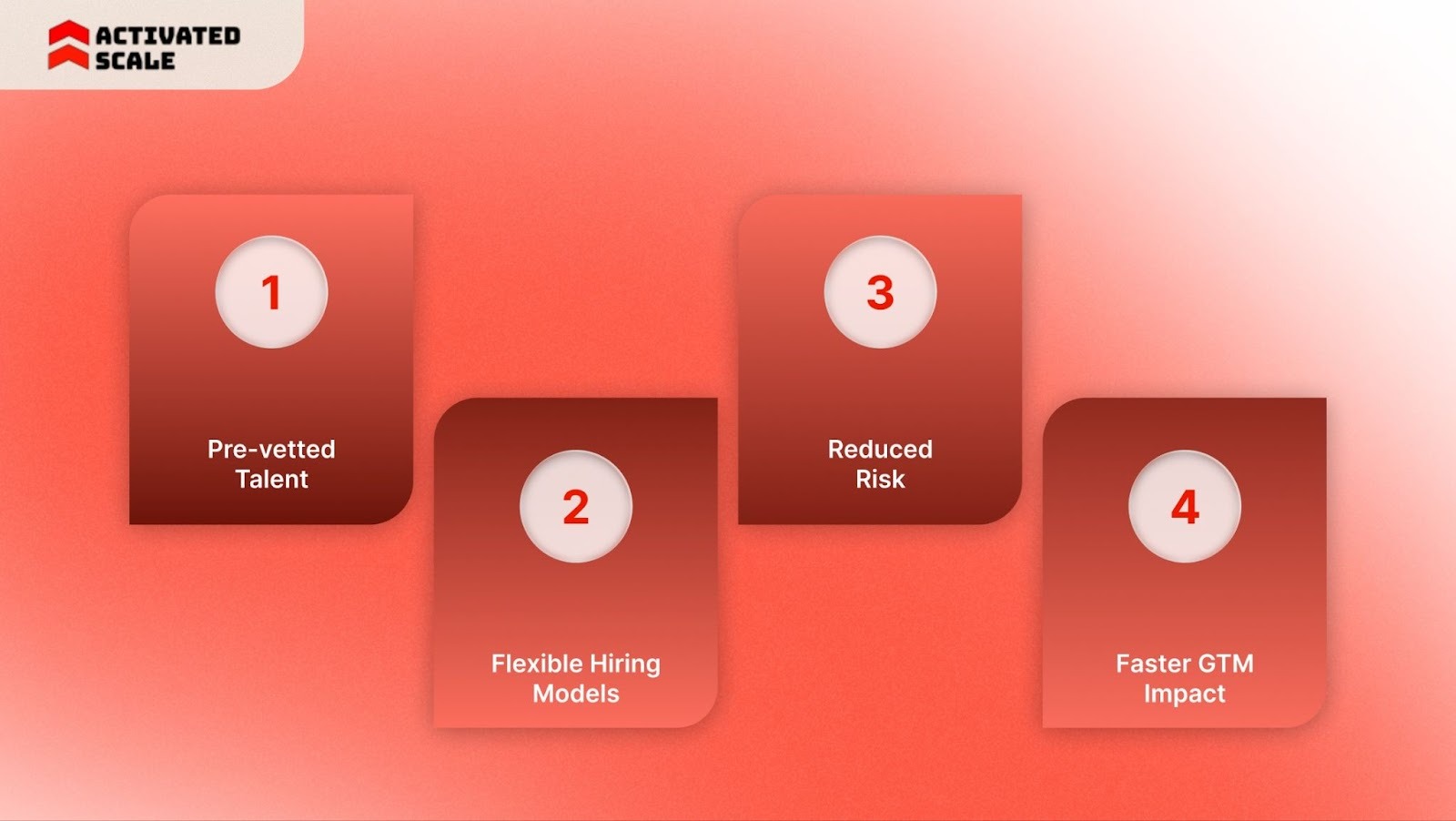
- Pre-vetted Talent: Access experienced, U.S.-based SDRs, AEs, and VPs of Sales without spending weeks on sourcing or background checks.
- Flexible Hiring Models: Hire part-time, fractional, or full-time sales professionals to match your budget, ramp speed, and growth stage.
- Reduced Risk: Test candidates on a trial basis before committing long-term, ensuring fit and performance.
- Faster GTM Impact: With ready-to-go sales talent, startups can start generating pipeline immediately, accelerating growth without operational delays.
Instead of dealing with lengthy recruitment cycles or making high-stakes bets on unknown candidates, Activated Scale lets you focus on what matters, scaling revenue. Their model aligns perfectly with businesses that need speed, quality, and predictability in sales hiring.
Tip: For startups or teams looking to grow quickly, pairing a structured hiring process with Activated Scale’s flexible talent model ensures you hire smarter, ramp faster, and reduce costly mis-hires.
Summary
Hiring the right salesperson can make or break your growth. It’s not just about filling a role, it’s about finding someone who drives revenue, fits your culture, and scales with your business. A structured hiring process, defining the role, evaluating skills, assessing coachability, aligning incentives, and onboarding effectively, reduces risk and accelerates results.
For startups and growing teams, Activated Scale offers a smarter, faster alternative by connecting you with vetted U.S.-based sales talent on a flexible, fractional, or contract-to-hire basis. This approach ensures quality hires without the long-term commitment, helping you focus on growth instead of recruitment headaches.
Don’t spend months searching for your next top salesperson. Discover how Activated Scale brings ready-to-go sales professionals to your team. Click to learn more.
FAQs
1. What is the first step to hiring a salesman?
Define the role, expected outcomes, and target customers before sourcing candidates.
2. How can I evaluate if a candidate is the right fit?
Use practical assessments like role plays, deal walkthroughs, and behavioral interviews to test skills, adaptability, and cultural fit.
3. Why is coachability important in sales hiring?
Sales environments change rapidly. Coachable hires adapt, learn from feedback, and improve continuously.
4. Can startups hire part-time or fractional salespeople?
Yes. Activated Scale allows flexible hiring, fractional, contract-to-hire, or full-time, reducing risk and ramp time.
5. What metrics should I track in the first 90 days?
Focus on pipeline quality, discovery calls, objection handling, follow-up consistency, and early revenue contributions.
The Ultimate Guide to Hiring a Salesperson!
Get the step-by-step guide to hiring, onboarding, and ensuring success!